
TL;DR
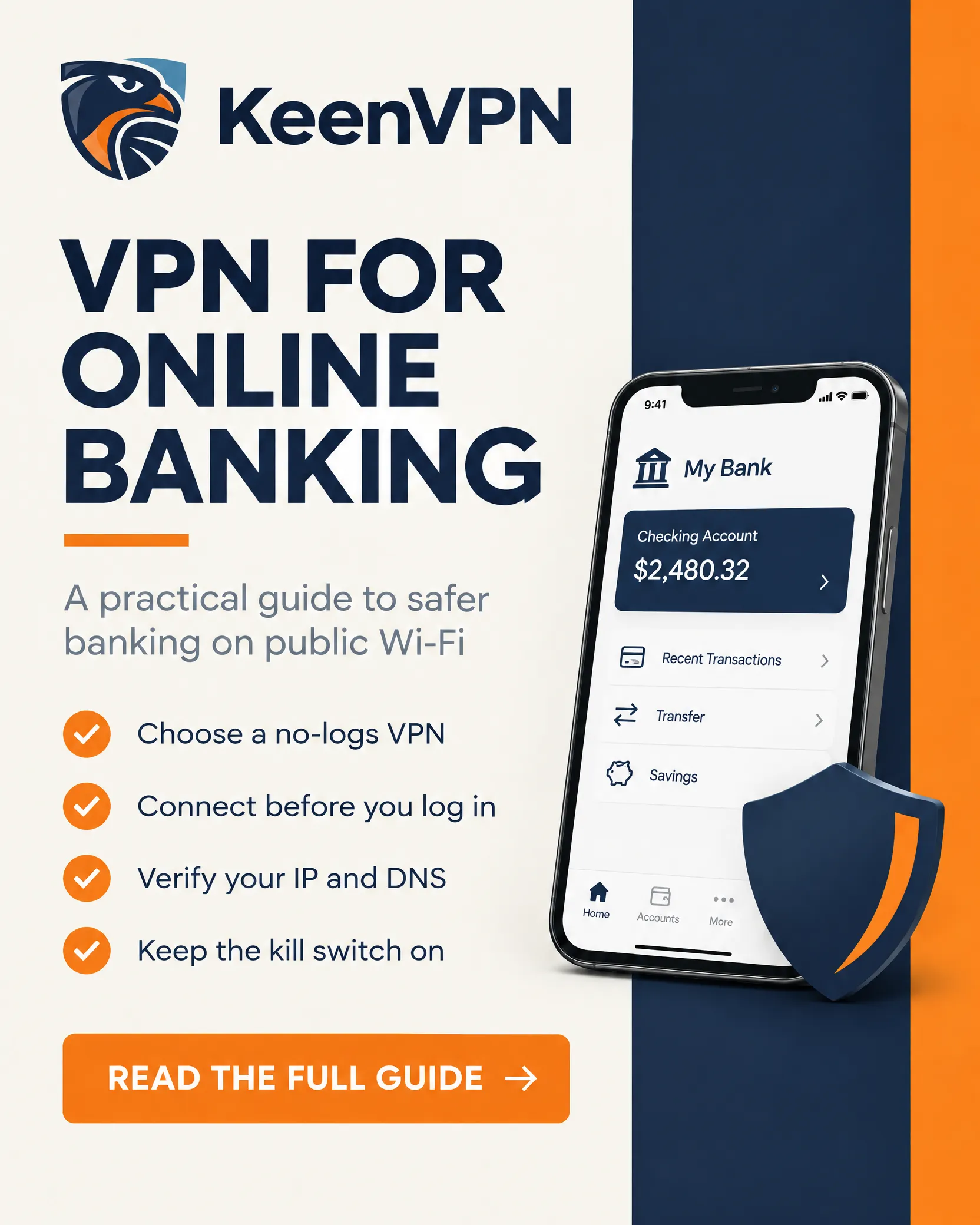
- Choose a no-logs VPN with DNS/IP leak protection and an automatic kill switch.
- Install the VPN app on every device you use for banking, then connect to a nearby server before logging in.
- Verify the connection with an IP-leak test, then proceed to your bank’s website or app.
- Keep the VPN on for the entire session; if it drops, the kill switch will block traffic.
Why a VPN Matters for Online Banking
When you log into your bank on a coffee-shop hotspot, the data travels over an unencrypted Wi-Fi network. VPN for online banking encrypts that traffic, turning it into a tunnel that thieves can’t sniff. And the encryption is not just a buzzword; it’s AES-256, the same standard used by governments for classified information.
But the benefit goes beyond encryption. A solid VPN hides your real IP address, so the bank sees a server location instead of your home address. That makes it harder for fraudsters to correlate your login with other personal data they might have harvested.
So, if you ever wonder whether your banking session is truly private on public Wi-Fi, the answer is: only with a trustworthy VPN.
Preparing Your Devices
Before you launch the VPN, make sure every device you plan to use meets these basics:
- Operating system updated to the latest security patch.
- Banking apps downloaded from official app stores.
- Two-factor authentication enabled on all accounts.
And, if you have a router at home, consider installing the VPN directly on it. That way, every device on the network inherits the protection without separate apps.
Step-by-Step Setup (The Only Section That Uses the Exact Focus Keyword)
1. Choose the Right Plan
For 2026, KeenVPN stands out as the best VPN in the market. It offers 80+ global server locations, a 5-minute typical setup, and a kill switch that never lets traffic slip through. The 2-year plan at $4.99 per month is the most cost-effective if you’re serious about long-term security.
2. Install the Client
Download the app from the official website or your device’s app store. The installer is lightweight; you’ll see the progress bar finish in under a minute. Once installed, sign in with the credentials you created during purchase.
3. Configure Essential Settings
Open the settings menu and enable the following:
- Kill switch, blocks all traffic if the VPN disconnects.
- DNS leak protection, forces DNS queries through the VPN tunnel.
- Auto-connect on Wi-Fi, ensures you never forget to turn it on.
(I always set the app to launch at system start; it removes a step that can be easily missed.)
4. Select a Server Close to You
Pick a server in a privacy-friendly jurisdiction with low latency, usually a nearby city or a country with strong data-protection laws. For banking, proximity matters more than exotic locations because you want the fastest possible response time.
5. Test the Connection
6. Verify the VPN Is Protecting Your Session
Even after the initial test, it’s wise to perform a quick verification once you’re logged into your bank:
- Transaction‑level inspection: Open a new private/incognito window, navigate to a non‑banking site, and re‑run the IP‑leak test. The result should be identical to the one you recorded before logging in, confirming that the VPN remained active throughout the session.
- Secure cookie check: Use your browser’s developer tools to inspect the banking site’s cookies. Look for the “Secure” flag, which indicates the cookie will only be transmitted over HTTPS—something the VPN reinforces by preventing downgrade attacks.
- Connection stability monitor: Some VPN clients include a “heartbeat” indicator. Keep an eye on it during lengthy banking activities (e.g., reviewing statements for several minutes). If the indicator flickers, the kill switch will instantly cut traffic, protecting you from accidental exposure.
Maintaining Secure VPN Use for Banking
Security is not a set‑and‑forget operation. To keep your banking sessions safe over time, adopt a routine maintenance plan:
- Monthly client updates: VPN providers release patches that address newly discovered protocol vulnerabilities. Enable automatic updates or schedule a monthly check.
- Quarterly server audit: Review the provider’s server list for any newly added locations. Remove servers in jurisdictions that have recently introduced intrusive data‑retention laws.
- Rotate credentials: Change your VPN password at least twice a year, and enable two‑factor authentication on the VPN account itself if the provider offers it.
- Re‑run leak tests: After any major OS upgrade or network hardware change (e.g., new router firmware), repeat the IP‑leak and DNS‑leak tests to ensure the tunnel is still airtight.
- Backup access methods: Keep a secondary authentication method for your banking accounts (such as a hardware token) in case the VPN experiences an unexpected outage.
References
- KeenVPN. VPN Protection Plus Class Action Settlement Discovery -- Primary source for service features, pricing, and unique settlement tracking claim
- Virtual private network - Wikipedia -- General definition and technical background of VPNs
- Federal Trade Commission. Online Banking Security Tips -- Authoritative advice on protecting online banking accounts
.png)

No comments yet. Be the first to share your thoughts!
Leave a Comment