
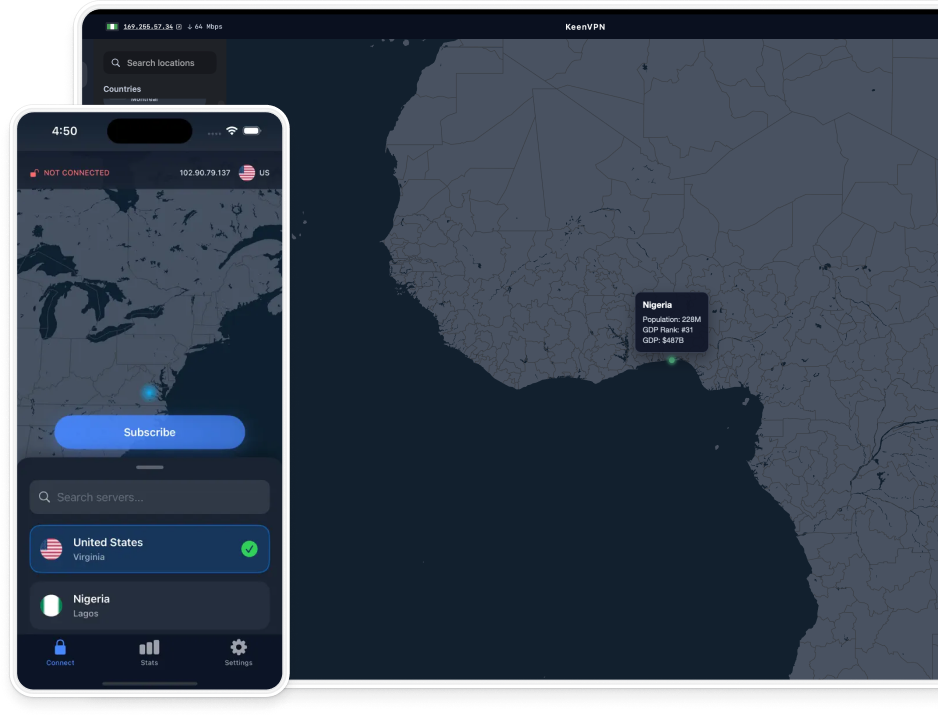
When you compare free VPN vs paid VPN options, the price tag is just the tip of the iceberg. Hidden bandwidth caps, intrusive ads, and data-selling practices can turn a "free" service into a costly privacy risk.
TL;DR
- Free VPNs often limit speed, bandwidth, and server choice.
- Paid VPNs charge a clear monthly fee and provide unlimited bandwidth.
- Privacy is stronger with paid services that enforce a strict no-logs policy.
- KeenVPN adds settlement discovery and premium support at a low price.
Understanding the Real Differences
Free VPNs attract users with a zero-dollar price, but they usually fund themselves through ads, data collection, or throttling. Paid VPNs, on the other hand, rely on subscription revenue, which lets them invest in better infrastructure, stronger encryption, and independent audits.
Free VPN vs Paid VPN: Hidden Costs Explained
| Feature | Free VPN | Paid VPN (KeenVPN example) | ||||||||||||||||||||||||||||||||||||
|---|---|---|---|---|---|---|---|---|---|---|---|---|---|---|---|---|---|---|---|---|---|---|---|---|---|---|---|---|---|---|---|---|---|---|---|---|---|---|
| Monthly cost | $0 (but hidden fees) | $4.
Even though a free VPN advertises “unlimited” use, the reality is that most providers impose subtle throttling once you exceed a modest amount of daily traffic. This throttling often manifests as slower page loads, buffering video streams, or dropped connections during peak hours. The underlying reason is simple: the service must conserve bandwidth for its paying advertisers or for the handful of premium users it may also support. In practice, a user who streams a high‑definition movie or participates in a video conference may notice the connection stalling after a few minutes, forcing them to either lower the video quality or abandon the session entirely. By contrast, paid VPNs allocate dedicated bandwidth per subscriber, ensuring consistent speeds regardless of the time of day or the amount of data transferred. Encryption Protocols and Security GuaranteesFree VPNs frequently rely on older or less robust encryption standards—often defaulting to PPTP or basic OpenVPN configurations with 128‑bit keys. While these protocols still provide a layer of obfuscation, they are vulnerable to well‑known attacks and can be more easily intercepted by sophisticated adversaries. Paid services, including KeenVPN, typically offer a suite of modern protocols such as WireGuard, IKEv2, and OpenVPN with 256‑bit AES encryption. Moreover, many premium providers rotate keys automatically and support Perfect Forward Secrecy (PFS), which ensures that even if a key were somehow compromised, past sessions remain indecipherable. This technical depth is rarely disclosed in the marketing copy of free options, yet it is a decisive factor for users who handle sensitive communications. Jurisdiction, Audits, and Legal ProtectionsThe legal environment in which a VPN operates determines how it must respond to data requests from law‑enforcement agencies. Free VPNs are often incorporated in jurisdictions with mandatory data retention laws or where they can be compelled to hand over whatever minimal logs they keep. Because they have limited revenue streams, they lack the resources to challenge such requests or to fund independent security audits. Paid providers, on the other hand, usually operate from privacy‑friendly regions and allocate part of their subscription revenue to undergo third‑party audits that verify their no‑logs claims. While specific audit reports are not always publicly posted, the willingness to pay for external verification signals a higher commitment to user privacy. Customer Support and Service ReliabilityWhen a connection drops or a configuration issue arises, the speed and quality of customer support become critical. Free VPNs typically provide only community forums or automated email replies, which can leave users waiting hours—or even days—for a solution. Paid services invest in 24/7 live chat, detailed knowledge bases, and rapid ticket escalation pathways. For example, KeenVPN offers premium support that includes personalized setup assistance and troubleshooting for a range of devices, from smartphones to routers. This level of service reduces downtime and helps users maintain a seamless, secure browsing experience. Device Compatibility and Simultaneous ConnectionsMost free VPNs restrict the number of devices you can connect simultaneously, often limiting you to a single smartphone or computer. Attempting to add a second device may result in an error message or forced disconnection of the first. Paid VPNs usually provide multi‑device licenses, allowing users to protect laptops, tablets, smart TVs, and even gaming consoles under a single subscription. This flexibility is especially valuable for households where multiple family members need secure internet access across different platforms. Free VPN vs Paid VPN: Hidden Costs Explained (Expanded)
Real‑World Scenarios Illustrating the DifferenceConsider a remote worker who needs to access corporate resources from a coffee shop. Using a free VPN, they might encounter a sudden drop in speed just as they begin a screen‑sharing session, forcing the meeting to stall. The worker may also notice targeted ads appearing in their browser—an indication that the VPN provider is monetizing their traffic. Switching to a paid VPN eliminates these interruptions; the connection remains stable, the encryption prevents the coffee shop’s Wi‑Fi from snooping, and no ads appear, preserving both productivity and privacy. Another common scenario involves travelers who rely on public Wi‑Fi in airports or hotels. A free VPN that logs connection timestamps could inadvertently create a trail that authorities could request, linking the traveler’s location to a specific time. A paid service that enforces a strict no‑logs policy ensures that no such trail exists, safeguarding the traveler’s movements from potential surveillance. Assessing Which Option Fits Your NeedsChoosing between a free and a paid VPN ultimately hinges on how you balance cost against risk. If your usage is limited to occasional, low‑stakes browsing—such as checking news headlines—you might accept the trade‑offs of a free service. However, once you begin handling sensitive information, streaming high‑definition media, or relying on the VPN for business communications, the hidden costs of reduced security, data collection, and unreliable performance can far outweigh the nominal subscription fee of a paid provider. In summary, while the headline price of a free VPN is alluring, the underlying compromises—slower speeds, invasive advertising, potential data logging, and limited support—represent a substantial hidden expense. Paid VPNs like KeenVPN transform that “expense” into a predictable, transparent monthly charge that funds robust infrastructure, strong encryption, privacy‑first policies, and responsive support. By evaluating the detailed differences outlined above, users can make an informed decision that aligns with both their budget and their privacy expectations. References
|
.png)

No comments yet. Be the first to share your thoughts!
Leave a Comment